
Smoking, Gum Health and Dental Implants: What to Fix Before You Book
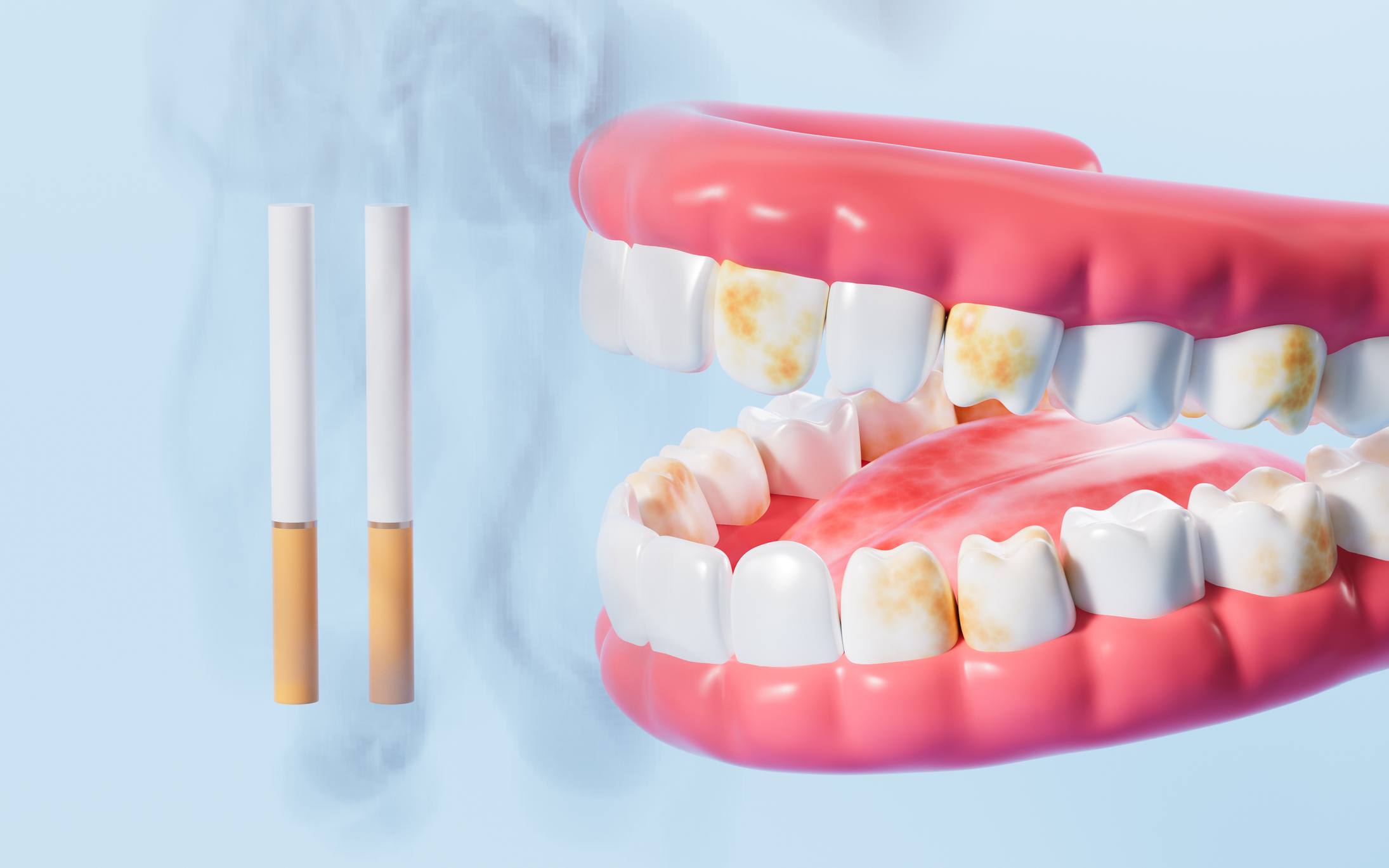
A dental implant can look like the tidy answer to a missing tooth, until the dentist starts asking about bleeding gums, smoking, vaping, diabetes, and how often you floss. Those questions help predict whether the implant has a stable place to heal.
Why Smoking Changes the Odds
Dental implants rely on bone healing tightly around the implant surface. Smoking can slow healing because it affects blood flow, oxygen supply, and the way gum tissue responds after surgery. It can also hide early gum bleeding, so the mouth may look calmer than it really is.
That last part catches people out.
Smokers can still be suitable for implants, but the risk conversation needs to be honest. A dentist may suggest cutting down or stopping before surgery and healing. It is not about lecturing. It is about giving the implant a fair go.
Gum Health Comes First
Healthy gums form a protective seal around teeth and implants. If gum disease is active, bacteria can sit under the gumline and damage the bone that holds teeth in place. Around implants, a similar problem can develop, often called peri-implant disease.
A practical note from everyday dentistry: patients often say, “My gums only bleed when I floss.” Gums that bleed with light cleaning are usually asking for attention, not less cleaning.
Before looking at tooth implants in Sydney, a gum check is worth doing. It can show whether you need a clean, deeper gum treatment, or stabilisation before implant placement.
Risk Factors Dentists Look For
| Factor | Why It Matters Before Implants |
| Smoking or vaping | Can slow wound healing and raise infection risk |
| Bleeding gums | May point to active gum inflammation |
| Previous periodontitis | Bone support may need closer review |
| Poor plaque control | Bacteria can irritate tissue around the implant |
| Uncontrolled diabetes | Healing can be less predictable |
| Grinding or clenching | Extra force can stress the implant crown |
Not every risk rules out treatment. It may change the timing, steps, or follow-up schedule.
What You Can Improve Before Surgery
Good implant planning is not just scanning and measurements. The weeks before surgery matter too.
Helpful steps include:
- Book a gum assessment, especially if brushing causes bleeding.
- Tell your dentist honestly about smoking, vaping, and nicotine use.
- Ask whether a professional clean or periodontal treatment is needed first.
- Use interdental brushes if your dentist recommends them.
- Keep diabetes and other health conditions well managed.
- Avoid assuming mouthwash can replace proper cleaning. It cannot.
And that matters because implants do not get decay, but the tissue around them can still get inflamed.
Smoking, Vaping, and Healing Time
Many patients ask whether vaping is safer for implants than smoking. The safest answer is cautious: vaping is not risk-free for oral health, and nicotine can still affect blood vessels and healing. Your dentist may ask about both.
If quitting feels hard, say so early. Dentists hear this all the time, and some can point you towards support through your GP or Quitline. A short break is better than no change, but a longer-term plan gives your gums and bone a better chance.
How Gum Treatment Affects Cost
Patients often search for dental implants cost in Sydney and expect one neat price. Real quotes vary because the mouth has to be ready first.
| Possible Added Step | Why It May Be Needed |
| Scale and clean | Removes plaque and tartar before surgery |
| Periodontal treatment | Manages deeper gum pockets |
| Bone grafting | Rebuilds support where bone has shrunk |
| Review appointments | Checks healing and hygiene |
| Night guard | Protects against grinding pressure |
A low implant fee may not include these. Cheap on paper can feel expensive if problems appear later.
Signs You Should Check Before Committing
Do not wait for severe pain. Gum and implant risks can build quietly.
Book a dental assessment if you notice:
- Bleeding when brushing or cleaning between teeth
- Loose teeth or gaps getting wider
- Bad breath that keeps coming back
- Receding gums around back teeth
- Swelling, pus, or a sour taste
- Smoking history and missing teeth in the same area
If you are comparing cheap dental implants in Sydney offers, these checks help you avoid paying for treatment before the foundation is ready.
Choosing the Right Time for Implants
The best time for an implant is not always the soonest appointment. Sometimes the smarter move is to treat gum disease first, stop smoking for a planned window, then place the implant once the mouth is calmer.
Which is why a consultation should feel more like planning than selling.
People looking for affordable dental implants Sydney still deserve proper screening. Affordability should come from clear fees and sensible care, not skipped checks.
Getting a Clear Plan in Sydney
Affordable Dentist Sydney can assess gum health, discuss smoking risks, and explain whether dental implants in Sydney treatment is realistic now or better after preparation. The aim is simple: understand the risks before you spend money, then choose a path that gives your implant a better chance.


